Cart
Subtotal: € 0.00
Free Shipping on All Orders Over €200!
We cannot sell online to destinations outside of Italy. For more information, contact us at info@terremargaritelli.com

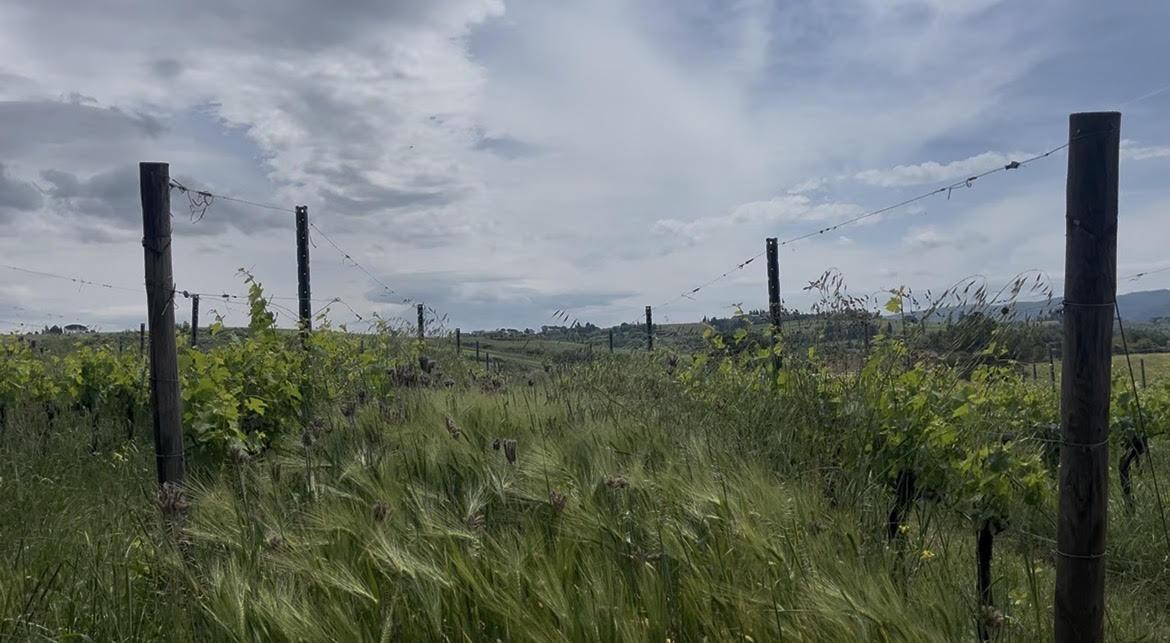
Terre Margaritelli seeks sustainability not only through the organic regime, but also through the choices we make. Regenerative agriculture and polyculture are central to the way the vineyard operates. Rather than leaving the soil bare between vines, a diverse combination of different species is planted every December among the grape vines, including barley, oats, rapeseed, phacelia, crimson clover, and white mustard. This system reflects an evolved understanding of conservation-focused agriculture. The goal here is not simply to maximize production, but to improve the long-term productivity, biodiversity, and ecological health of the soil itself. Rather than relying on chemical fertilizers or herbicides, the vineyard works alongside natural systems to create a healthier and more resilient environment for the vines.
Each species contributes different ecological benefits that strengthen the vineyard as a whole. Barley and oats are both cereal grasses, which means that they develop extensive fibrous root systems that help stabilize the soil, prevent erosion, and also improve water infiltration. These deep roots also reduce soil compaction and help recycle excess nutrients, especially nitrogen, back into the soil ecosystem. Oats are particularly useful because they grow rapidly and produce large amounts of weed-suppressing biomass, creating a natural mulch layer that supports low-till agriculture. Barley helps additionally by suppressing pests and reducing the need for chemical intervention.
Legumes, specifically crimson clover, play another important role in nitrogen fixation. By naturally converting atmospheric nitrogen into forms usable by plants, crimson clover enriches soil fertility. Its strong root system also improves soil structure while reducing compaction. Crimson clover serves as an excellent food source for bees and butterflies, helping support pollination populations that are essential for surrounding ecosystems.
Flowering plants such as rapeseed and phacelia contribute significantly to biodiversity within the vineyard. Rapeseed, with its large bright flowers, attracts pollinators while also serving as a cover crop that suppresses weeds, reduces emissions, and tolerates harsh weather conditions well. Phacelia produces substantial biomass that can later be incorporated into the soil as green manure, greatly improving soil fertility, structure, and water retention. Its drought resistance and ability to tolerate cold temperatures make the plant highly adaptable and valuable within regenerative systems. White mustard adds another layer of ecological protection. Beyond suppressing weeds, mustard acts as a natural soil biofumigant. When chopped and left incorporated into the soil, compounds released from the plant tissues help kill harmful pests and pathogenic fungi. This creates healthier conditions, allowing the soil to retain moisture while reducing reliance on synthetic pesticides.
To further promote a large diversity of life and species in our vineyard, we have 10 “bug hotels” sprinkled throughout our property. They are home to a wide variety of insects, such as solitary bees (Osmia cornuta, Osmia bicornis, and Xylocopa violacea), ladybugs (Coccinella septempunctata, Psyllobora vigintiduopunctata, and Harmonia axyridis), lacewings (Chrysoperla carnea), and butterflies (Papilio machaon, Aglais urticae, and Aglais io). These spaces create a shelter for insects, enabling them to stay safe during the winter months and provide nesting chambers for solitary bees, which are vital for pollinating garden flowers and fruit crops. By providing these safe havens, we are helping to restore the balance of ecosystems and encourage biodiversity in our surroundings.
Together, these plants and insects create a highly diverse and mutually supportive agricultural system that benefits the vineyard on multiple levels. The combination of nutrient cycling, nitrogen fixing, pest suppression, erosion control, pollinator support, and biomass production creates healthier soils capable of sustaining vines long term. The rows planted with this combination of species are swapped every four years. This approach also increases resilience against climate stress, drought, and disease while supporting local biodiversity. Ultimately, Terre Margaritelli’s use of regenerative polyculture demonstrates how vineyards can move beyond monoculture and function as dynamic ecosystems where environmental sustainability and agricultural production work hand in hand.
Are you a journalist or industry professional?
Access the press area for official press releases and images.